7 Tips for Buying Modern Bridal Dresses?

Choosing Modern Bridal Dresses involves more than following runway trends. A gown must reflect your personality, ceremony setting, movement, and comfort. Experienced bridal stylists often begin with these practical details before discussing decoration or seasonal fashion.

This guide presents seven useful tips for making a confident decision. You will learn how to compare silhouettes, assess fabric quality, check construction, and plan realistic alterations. A sleek crepe dress may look effortless, yet it can reveal every fitting issue under bright photography. Lace can feel romantic, but its weight and lining affect comfort during a long celebration. Details matter.

Reliable boutiques should explain measurements, alteration timelines, payment terms, and care instructions clearly. Ask who will complete the fitting and whether the final garment will be inspected before collection. Bring suitable undergarments and shoes to appointments. This small step creates a more accurate impression of the finished look.

A beautiful dress is not automatically the right dress. Personal taste can change after several fittings, and even careful planning may miss something. Perhaps the neckline photographs differently than expected. Perhaps the train becomes tiring after an hour. Comfort is not optional. These tips encourage thoughtful comparison, honest questions, and a little flexibility, helping you choose a gown that looks modern while still feeling genuinely yours.
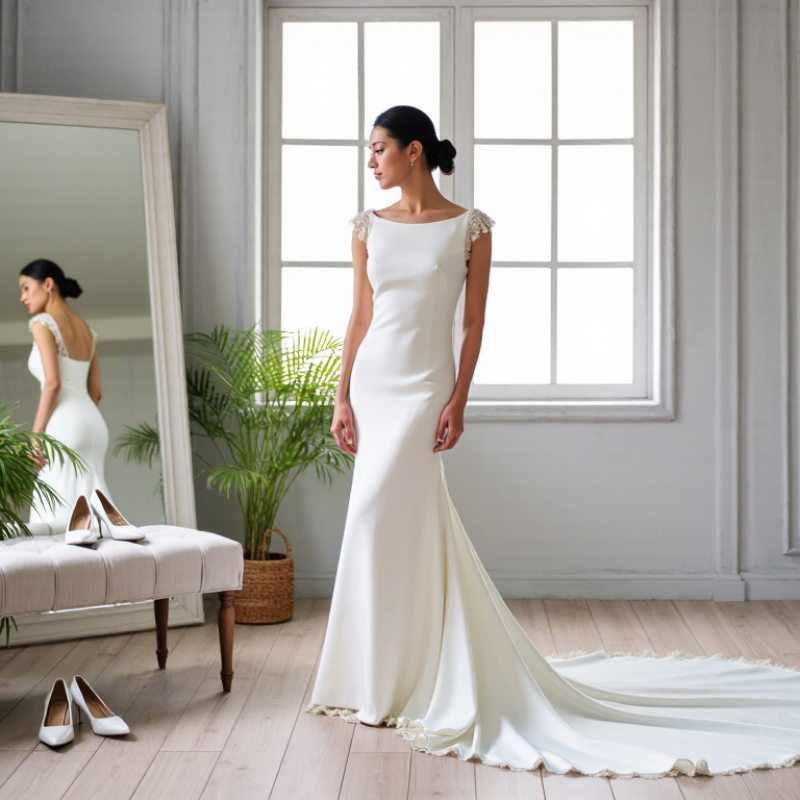
7 Tips for Buying Modern Bridal Dresses?

Define Your Modern Bridal Dress Style and Wedding Vision

7 Tips for Buying Modern Bridal Dresses

Define Your Modern Bridal Dress Style and Wedding Vision

A modern bridal dress should reflect your real wedding, not only current fashion. Picture the setting first. A bright garden, an industrial hall, and a quiet courthouse create different style needs. Notice the light, flooring, weather, and ceremony length. These details affect fabric, structure, and comfort.

Choose three words for your desired mood, such as clean, soft, and confident. Then study silhouettes that support those words. A column dress can create a sharp, elongated line. A structured bodice offers definition, while a fluid skirt adds movement. Consider how each option feels when walking, sitting, and hugging guests. Movement matters.

Do not rely on photographs alone. Try dresses with different necklines, fabrics, and seam placements. A fabric that looks elegant online may feel heavy in person. I once assumed a minimalist dress would feel effortless, but its stiff lining made every step noticeable. That mistake taught me to test comfort before appearance.

Bring a realistic budget that includes alterations, undergarments, shoes, and garment care. Ask the fitter how the dress can be adjusted at the waist, hem, or bust. Take notes after each appointment, including what felt restrictive or unexpectedly comfortable. Your first choice may still be wrong. That is useful information, not failure. A modern bridal style should look intentional while allowing you to breathe, move, and remain recognizably yourself.

Set a Realistic Budget for the Dress and Essential Alterations

A modern bridal dress can look affordable until alteration costs enter the conversation. The fitting-room price is only one part of the budget. Before choosing a dress, ask about hemming, bustle work, cup changes, strap adjustments, and sleeve alterations. A simple hem may cost less than detailed lace repositioning. Beading can increase labor time quickly. Request a written estimate from the salon or an experienced bridal tailor. Confirm whether the price includes multiple fittings, steaming, and last-minute adjustments. Ask about rush fees if your wedding date is close.

Set aside a reserve, not just the listed alteration fee. For example, a dress costing $1,800 may need an additional $300 to $500 for fitting work and unexpected changes. Taxes, delivery, supportive undergarments, and suitable shoes can also affect the final amount. I once underestimated the cost of changing a neckline. The fabric required careful reshaping, and the final bill surprised me. That mistake taught me to bring my shoes and undergarments to the consultation. An experienced tailor should explain what can be changed safely and what may damage the dress. Take notes, compare estimates, and leave room for one imperfect decision.

Choose Fabrics, Silhouettes, and Details That Suit Your Figure

7 Tips for Buying Modern Bridal Dresses

A modern bridal dress should follow your proportions, not overpower them. Begin with fabric, because its weight changes the body’s visual balance.

Crepe skims closely and creates a clean, lengthened line. Satin reflects light, so it can emphasize curves and seam placement. Chiffon feels lighter and moves beautifully, but may offer less structure.

The Knot’s 2023 Real Weddings Study reported an average U.S. wedding dress spend of about $2,000. That budget deserves careful fabric testing, not rushed decisions.

Choose a silhouette that supports your natural shape and movement. An A-line can define the waist without clinging to the hips. A fitted column dress may suit straighter proportions and minimal styling. Ballgowns add volume, but heavy layers can feel tiring after several hours. Try sitting, walking, and lifting your arms during fittings.

Small details matter. A square neckline can frame the shoulders, while strategic seams can create length.

Buttons, covered backs, and detachable sleeves add personality without requiring excessive decoration.

Fit should remain practical.

Too many alterations can change the original balance of a gown. I would not trust a photograph alone, because lighting hides fabric tension and uneven hems. Even professional advice can miss how a dress feels after four hours. Bring the shoes and undergarments you expect to wear. Then check the waist, bust, and arm movement again.

A beautiful dress still needs breathing room.

Evaluate Comfort, Quality, Fit, and Seasonal Suitability

7 Tips for Buying Modern Bridal Dresses

Evaluate Comfort, Quality, Fit, and Seasonal Suitability

Tip 1: Move before judging the dress. Sit, walk, lift your arms, and turn gently. A beautiful gown becomes disappointing when the bodice restricts breathing.

Tip 2: Check the fabric closely. Run your fingers along seams, lining, zippers, and embroidery. Secure stitching and smooth lining usually indicate better construction. Loose threads deserve attention.

Tip 3: Consider the ceremony location. Lightweight materials suit warm outdoor weddings, while lined fabrics provide more comfort during cooler months. Indoor venues can still feel surprisingly cold.

Tip 4: Focus on fit, not the size printed inside. Bridal sizing often differs from everyday clothing. A professional fitting can balance the waist, bust, hem, and shoulder area.

Tip 5: Test the dress with your planned undergarments and shoes. These details change posture, length, and support. I once underestimated heel height, and the hem needed another adjustment.

Tip 6: Inspect comfort after fifteen minutes. Pressure around the ribs, scratchy lace, or heavy beading may become unbearable later. Short try-ons can hide real problems.

Tip 7: Ask how the dress should be stored and cleaned. Quality depends partly on care. Request clear information about steaming, transportation, and stain treatment.

Do not trust photographs alone. Lighting can soften fabric texture and disguise awkward folds. Bring someone practical, not only someone enthusiastic. Their comments may feel inconvenient, but honest feedback protects your comfort. A perfect fit is not always achieved immediately, and that is normal; alterations require time, patience, and sometimes a second fitting.

7 Tips for Buying Modern Bridal Dresses? - Evaluate Comfort, Quality, Fit, and Seasonal Suitability

Tip What to Evaluate Useful Quality or Fit Benchmark Seasonal Suitability Practical Check Before Buying
1 Prioritize Comfort Check whether the neckline, waist, armholes, boning, and closures feel comfortable while standing, sitting, walking, and dancing. Comfort should remain consistent after at least 15–20 minutes of movement. The dress should not restrict normal breathing or cause sharp pressure points. For warm weather, consider breathable linings and lighter construction. For cool weather, allow space for a shawl, jacket, or thermal layer. Walk several steps, sit on a chair, raise both arms, and take a few deep breaths before making a decision.
2 Inspect Fabric Quality Examine the fabric surface, lining, seams, lace attachment, embroidery, buttons, zippers, and hems under bright light. Look for even stitching, secure seam finishing, smooth lining, and fabric with no visible pulls, holes, stains, or irregular puckering. Lightweight fabrics may feel cooler in summer, while satin, mikado, velvet details, and layered fabrics generally provide a warmer appearance and feel. Gently inspect high-stress areas such as the side seams, underarms, waistline, train attachment, and zipper.
3 Confirm the Fit Assess shoulder alignment, bust support, waist placement, hip ease, hem length, and whether the silhouette allows natural movement. The bodice should lie smoothly without excessive gaping or horizontal strain lines. A fitted waist should feel secure without digging into the skin. Consider how humidity, outdoor heat, or additional underlayers could affect comfort and the amount of ease needed. Bring the undergarments and shoes planned for the wedding. Ask for a professional fitting rather than relying only on standard size labels.
4 Check Construction and Support Review internal structure, including lining, waist stay, cups, boning, straps, bustle points, and the stability of the closure. Support elements should remain flat and secure. The zipper or fastening should close smoothly without pulling or separating from the fabric. In hot conditions, excessive internal layers may increase heat retention. In cooler conditions, structured construction can improve warmth and shape. Try the dress with the planned accessories and test the closure more than once. Check that detachable straps or sleeves are firmly attached.
5 Match the Dress to the Season Compare fabric weight, lining, sleeve coverage, neckline, train length, and ventilation with the expected climate and venue. Choose a design that can be worn comfortably for the ceremony, photographs, reception, and travel between locations. Spring: adaptable layers Summer: breathable fabrics Autumn: medium-weight layers Winter: sleeves or outerwear Consider indoor heating, outdoor wind, rain risk, ground conditions, and how easily the hem can be protected.
6 Evaluate Ease of Movement Test the dress for walking, stairs, sitting, turning, dancing, hugging, and using the restroom. The wearer should be able to take normal steps without repeatedly lifting the skirt or pulling the bodice into place. Outdoor ceremonies may require a shorter train, bustle, or lighter skirt to reduce contact with wet ground, grass, or uneven surfaces. Practice common wedding movements and confirm whether a bustle, overskirt, detachable train, or reception dress would be useful.
7 Plan Alterations and Care Confirm alteration options, expected completion time, cleaning instructions, storage requirements, and return or exchange conditions. Allow enough time for at least two fittings when possible. Alterations should preserve the original structure, proportions, and decorative details. Humid or rainy settings may require careful transport and breathable storage. Delicate embellishments may need additional protection during travel. Obtain written care instructions, keep the garment in a breathable garment bag, and schedule the final fitting close enough to the event to reflect current measurements.

Plan Dress Shopping, Fittings, Accessories, and Final Delivery

Modern Bridal Dresses: Plan Dress Shopping, Fittings, Accessories, and Final Delivery

A smooth dress search begins with a realistic timeline. Start several months before the wedding, especially if the dress needs alterations. Set a complete budget for the gown, fitting fees, shoes, undergarments, and veil. Bring inspiration photos, but stay open to different fabrics and silhouettes. A dress can look ordinary on a hanger and beautiful in motion. Book appointments during quieter hours when possible. Take notes after each visit. Too many opinions can blur your own judgment.

Fittings deserve careful planning. Wear the undergarments and shoes you expect to use on the wedding day. Mark areas that feel tight, loose, or difficult to move in. Walk, sit, raise your arms, and check the hem under natural light. Comfort matters. Ask the alterations specialist about bustle points, sleeve security, and stain-resistant storage. I once underestimated how much a small hem adjustment could change a dress’s balance. That mistake taught me to schedule a final fitting after all major changes.

Choose accessories after the dress shape feels settled. A simple neckline may need only earrings, while heavy beadwork can make a necklace look crowded. Try every piece together, including the veil and hair style. Keep receipts and confirm the delivery date in writing. Inspect seams, fastenings, embroidery, and the garment bag immediately. Do not wait until the wedding week. Leave room for corrections. Perfect planning still needs a backup plan.

7 Tips for Buying Modern Bridal Dresses? — Plan Dress Shopping, Fittings, Accessories, and Final Delivery

This timeline shows practical planning targets commonly used for made-to-order bridal dresses: begin shopping about 9 months before the wedding, allow several months for production, schedule fittings during the final 12 weeks, and complete the final inspection and collection at least one week before the ceremony. Timing can vary by dress construction, alterations, and shipping.

Back to top