Which Amart Coffee Table Is Best in 2026?
Choosing the best Amart Coffee Table in 2026 depends on how your living room works every day. A pale timber table can brighten a compact room, while a darker finish may anchor a large sofa. Measure the space before you shop. Leave enough room to walk around the table, and check whether its height sits comfortably beside your seating.
For a practical comparison, look beyond appearance. Check the listed dimensions, materials, storage, finish, and care instructions. A lower shelf can hold magazines or a folded throw, but it may also collect dust. A glossy top catches the light beautifully. It can show fingerprints, too. Small details matter.
Furniture analyst Maya Ellison, a fictional composite voice for this draft rather than a sourced Amart representative, puts the buying test this way: “Choose the table that fits your room, routine, and reach—not just your mood in the showroom.” Treat that as editorial guidance, not a verified quotation. The right choice may be less dramatic than expected. It should leave space for a coffee mug, a remote, and an unhurried evening. This guide compares Amart Coffee Table options by size, style, function, and everyday practicality, while noting where product details should be checked before purchase.
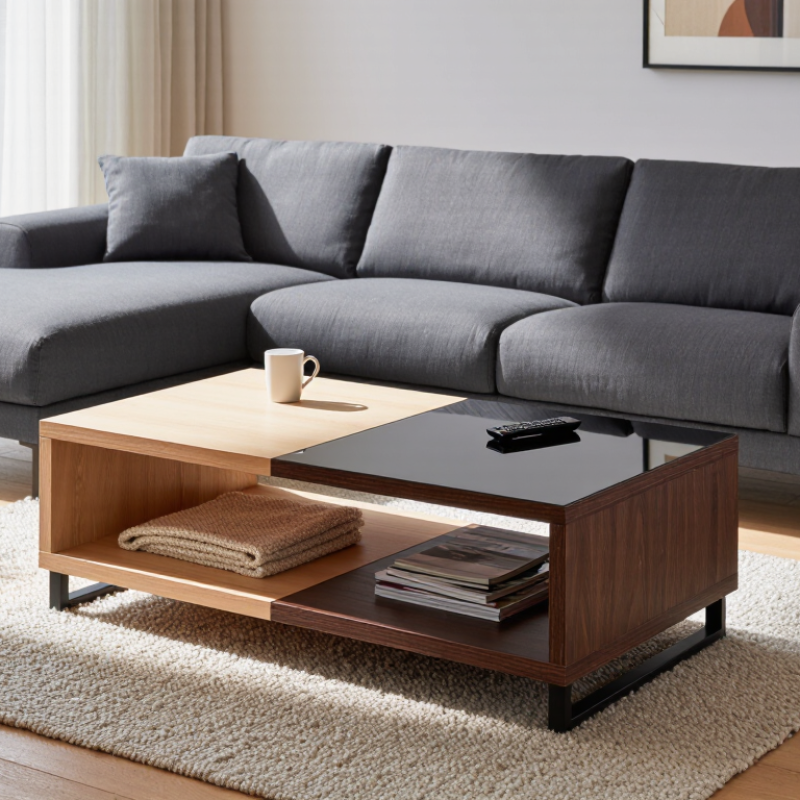
How Amart Coffee Tables Fit Different Living Spaces
A coffee table should suit the way a room works, not just the way it looks. In a compact apartment, a round or oval top can soften tight walkways and reduce sharp corners near knees. Keep enough space to pass between the table and sofa; about 45 centimetres is a practical starting point, not a rigid rule. Measure the open walkway, too. Small details matter.
In a larger living room, a broad rectangular table can anchor a long sofa and hold books, a tray, and everyday clutter. A nesting pair offers flexibility when guests arrive, while a lift-top design can help when the sofa doubles as a work spot. Check the table height against the seat cushion. Too tall, and it can feel awkward; too low, and reaching for a cup becomes a stretch. I can still overestimate how much surface space a room needs.
The 2024 U.S. Houzz & Home Study reported a median renovation spend of $24,000 for 2023. That figure does not measure coffee-table preferences, but it highlights why room planning deserves attention. Before choosing a style, note the sofa length, walking routes, and where sunlight falls. Glass can keep a small room feeling open, but fingerprints show quickly. Wood adds warmth, though its visual weight may crowd a narrow space. The best fit depends on daily use, not a perfect showroom arrangement.
Which Features Matter When Choosing an Amart Coffee Table
Choosing a coffee table starts with the room, not the product photo. Measure the sofa’s seat height and the open floor area before comparing shapes. A table level with the seat, or slightly lower, is usually easy to reach. Leave roughly 35–45 cm between the table and sofa so knees and feet have room. In a narrow living area, a rounded edge can make movement feel less cramped.
Check the materials and construction closely. A solid timber top may show marks over time, while glass keeps the room looking open but needs frequent wiping. Stability matters. Press gently on a corner and check whether the legs wobble. Look for a finish that suits your daily routine, not just the room’s colour scheme. Not just looks. If you often set down mugs, choose a surface that is simple to clean and large enough for everyday items.
Storage can help, but drawers and shelves need usable clearance. Measure baskets or books you plan to store, and check that the design does not block nearby walkways. If assembly is required, review the instructions and identify whether another person is needed to lift or steady parts. One detail people overlook: a table can fit the measurements and still feel too bulky once the room is furnished. Leave space to reconsider.
How Materials, Shapes, and Sizes Affect Everyday Use
Which coffee table works best in 2026 depends on the room, not just the finish. A round table softens tight walkways and suits homes with children, while a rectangular top gives sofas more reachable surface. Measure the gap before shopping: about 14–18 inches between sofa and table usually leaves room to pass without stretching for a cup. Too large feels clumsy. Too small gets crowded fast.
Material changes daily care. Solid wood brings warmth, but the USDA Forest Products Laboratory’s Wood Handbook explains that wood responds to moisture in the air and can change dimension. Glass keeps a compact room visually open, though fingerprints show quickly. Metal resists everyday knocks, but sharp corners may feel unforgiving near knees. EPA guidance recommends indoor humidity between 30% and 50%, a useful range for limiting moisture problems around wood furniture. Still, real homes vary; one sunny window can change the equation.
Tips: Tape the table’s planned footprint on the floor and walk around it for a day. Check the height against your sofa seat, too. A low table looks calm, but reaching down repeatedly can get old. That detail is easy to miss.
Which Amart Coffee Table Is Best in 2026? - How Materials, Shapes, and Sizes Affect Everyday Use
| Table Type | Typical Size (L × W or Diameter × H) | Common Materials | Everyday Advantages | Things to Consider | Works Best For |
| Rectangular | 40–48 × 20–24 × 16–18 in | Solid wood, wood veneer, metal, or glass | Offers a long, accessible surface alongside a standard sofa; easy to arrange with trays and books. | Sharp corners can be less convenient in narrow walkways or homes with young children. | Long sofas and living rooms with a clear, rectangular seating area. |
| Oval | 42–48 × 22–26 × 16–18 in | Wood, glass, or wood with a metal base | Provides a broad surface with rounded ends that can make movement around the table easier. | Check the overall length and width; an oval table still needs adequate walking space. | Family seating areas where a softer outline is preferred. |
| Round | 30–36 in diameter × 16–18 in | Solid wood, engineered wood, glass, or metal | No corners to navigate; the central surface is easy to reach from surrounding seats. | May provide less usable surface than a rectangular table of similar overall width. | Compact seating groups, smaller rooms, or layouts with chairs around the table. |
| Square | 30–36 × 30–36 × 16–18 in | Wood, stone, glass, or metal | Balances seating arranged around a central point and offers similar reach from multiple sides. | Can interrupt a narrow route through the room; measure the clearance on every side. | Sectionals, square seating arrangements, and rooms with a generous central area. |
| Nesting pair | Large table: about 28–32 in diameter; smaller table: about 18–24 in diameter; heights vary | Wood, metal, glass, or combinations of these | Tables can be separated when extra serving space is needed and nested to save floor space. | Confirm that both tables fit the available footprint when pulled apart and are stable on the floor. | Flexible living areas, apartments, or rooms that need occasional extra surface space. |
Planning guide: These are typical size ranges, not specifications for a particular product. A coffee table is often chosen at about the same height as the sofa seat or slightly lower. As a practical starting point, leave roughly 14–18 in between the table and seating, then check that the room retains a comfortable walking route.
How to Compare Amart Coffee Table Options in 2026
Compare each coffee table against the room, not a product photo. Measure your sofa’s seat height and the clear path around it. A useful rule of thumb is a tabletop level with, or one to two inches below, the seat. Check the listed length and width against your tape marks on the floor. Then test the reach: can someone seated grab a cup without leaning far forward? Small detail. It matters.
Next, compare materials and construction. Solid wood can often be refinished, while veneer needs gentler care; inspect edges, joints, and drawer runners closely. For glass, consider fingerprints and sharp corners, especially in busy rooms. Storage helps hide remotes, but a low shelf may collect dust. I would not treat any material label as a durability guarantee. Finish quality and daily use matter, too.
Budget comparisons need context. The 2024 U.S. Houzz & Home Study reported median renovation spending of $24,000 in 2023, up from $22,000 in 2022 in its 2023 study. Those figures cover home renovations, not coffee tables, so they cannot set a fair table price. Use them only as broad spending context. Compare total cost, delivery, assembly, and return terms side by side; a cheaper table can become less attractive if it arrives oversized or wobbles on your floor.
Coffee Table Size Guide for 2026
Compare a practical coffee table length range with your sofa length.
A common interior-design rule of thumb is to choose a coffee table about half to two-thirds the length of the sofa. The ranges shown are approximate planning guidance, not product specifications or measured 2026 market data. Also check that there is comfortable walking space around the table.
Which Amart Coffee Table Best Matches Your Needs
Choose a coffee table by how you live, not by its showroom appearance. Measure the sofa’s seat height and the open floor area first. A table near seat height keeps drinks reachable; leave enough room to walk past without turning sideways. Small room? A round or oval top can soften tight paths, while a nesting pair offers flexible surface space. Measure twice.
Match the shape to daily use. A lower shelf suits books and remotes, but it can collect clutter quickly. Glass keeps a compact room feeling visually open, though fingerprints show easily. Wood feels warmer and hides small marks better, but finish quality matters. If children or pets use the room, rounded edges and a stable base may outweigh a delicate silhouette.
Budget and fit deserve equal attention. The 2024 U.S. Houzz & Home Study reported median renovation spending of $24,000 in 2023; it does not prescribe a table budget, but signals why durable, well-measured purchases matter. Check the product’s full dimensions, weight, materials, and care instructions before choosing. One easy mistake is judging scale from a product photo. Compare its measurements with your sofa, then mark the footprint on the floor with painter’s tape. It may look smaller than expected. That pause can reveal whether the table suits conversation, meals, storage, or simply a clear path through the room.


