How to Choose the Right Bathroom Fittings for Your Project?

Choosing the right Bathroom Fittings can shape how a bathroom looks, feels, and performs every day. A polished tap may attract attention, but its internal cartridge, water rating, and finish matter more over time. A shower system must suit the available water pressure, pipework, and household needs. A wall-mounted basin can create useful floor space, yet it may require stronger structural support. These details are easy to overlook. Measure twice.

This guide explains how to compare fittings with practical project conditions in mind. It considers materials, dimensions, installation methods, cleaning demands, accessibility, and long-term reliability. Chrome, brushed brass, and matte black finishes can each suit a different design, but poor maintenance may damage them. Check the manufacturer’s care instructions before making a final choice. A qualified plumber can also confirm compatibility with existing connections and drainage. Their advice is especially valuable during renovations, when hidden pipework may not match current products.

Reliable decisions should also reflect recognised product standards and local water-efficiency requirements. Do not trust appearance alone. Look for clear warranties, replacement parts, installation guidance, and support from established suppliers. In practice, even experienced buyers make mistakes when they focus only on price or photographs. A fitting that saves money today may need early replacement tomorrow. The most suitable choice balances visual appeal, technical performance, user comfort, and future maintenance. Sometimes, the best option is less fashionable but easier to repair. That compromise deserves honest consideration.
How to Choose the Right Bathroom Fittings for Your Project?

Define Your Bathroom Layout, Needs, and Project Requirements

Start with the room, not the catalogue.

Measure the entry, wall lengths, ceiling height, and door swing. Mark the soil pipe, water points, window, radiator, and electrical zones. Then map movement between the toilet, basin, shower, and storage.

In site surveys, I have seen attractive fittings fail because a door clipped the vanity. That mistake is expensive. Allow cleaning access and future maintenance before choosing finishes.

Your household needs should shape the specification.

Children may need a handheld shower, while older users may need a level-entry shower and secure support points. Check local code and installer requirements before fixing positions.

1.5
gallons per minute
2.2
gpm federal standard
1.28
gallons per flush

The U.S. Environmental Protection Agency’s WaterSense criteria limit bathroom faucets to 1.5 gallons per minute. The federal standard is 2.2 gpm. WaterSense tank-type toilets use no more than 1.28 gallons per flush. These figures affect pipe sizing, pressure expectations, and running costs.

Do not assume low flow means weak performance. Read test data.

Project requirements deserve equal attention.

Confirm budget, lead times, warranty terms, replacement cartridges, and installation tolerances. The NKBA 2024 Design Trends Report highlights wellness and accessibility as strong bathroom priorities. That evidence supports planning for comfort, not only appearance.

I still leave room for doubt. Wall conditions, water pressure, and imperfect workmanship can change the result. A fitting that works on paper may disappoint in a real, steamy room.

Bring samples home. Test reach, glare, grip, and cleaning.

Choose Fittings That Match Available Space and Installation Conditions

Choosing the right bathroom fittings starts with the room’s actual limits, not a catalogue image. Measure the floor area, wall width, ceiling height, and door swing before selecting anything. Leave enough clearance around the toilet, basin, and shower entrance for comfortable movement. A fitting may look compact, yet its projection can block a cabinet door.

Check the installation conditions carefully. Locate existing water pipes, drainage outlets, electrical points, and wall studs. Measure the drain position from the finished wall, not the unfinished surface. This small detail prevents expensive adjustments later. For wall-mounted fittings, confirm that the wall can carry the load. Tile alone is not structural support. An access panel may also be necessary for valves and concealed connections.

I once underestimated the space needed beside a shower screen. The installation worked, but cleaning became awkward. That mistake changed how I plan projects. I now mark every fitting on the floor with tape before drilling. It reveals tight corners and poor door swings early. Check water pressure and ventilation too, especially in compact bathrooms. Low pressure can affect performance, while weak airflow encourages lingering moisture. Local plumbing and electrical requirements should guide the final layout. Measurements can still be wrong. Recheck them before ordering.

How to Choose the Right Bathroom Fittings for Your Project?

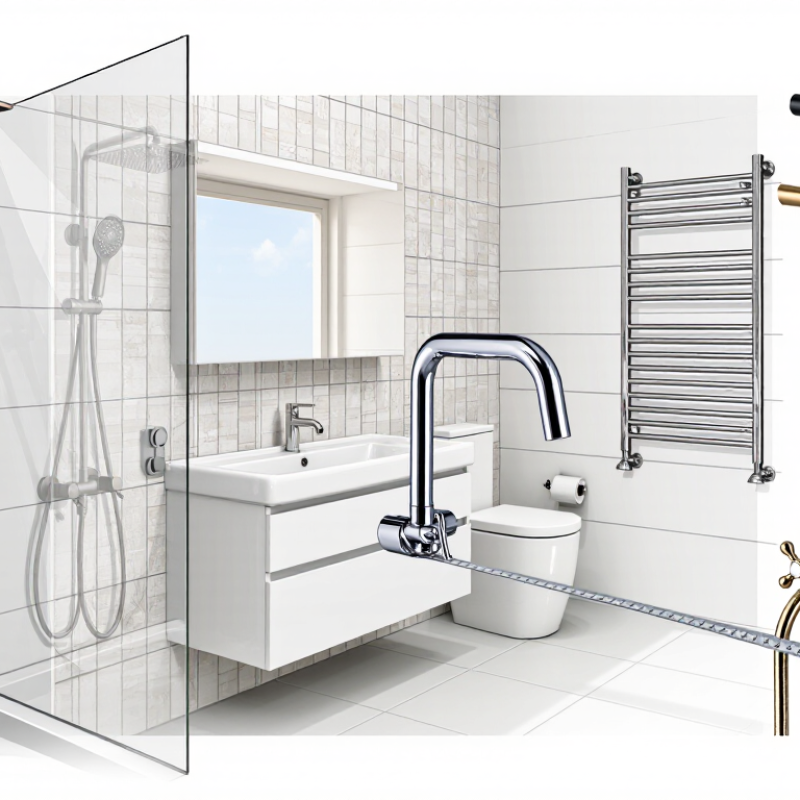
Choose fittings that match the available space and installation conditions. The chart compares typical fitting depths to help assess whether a bathroom layout can accommodate each option. Always verify final dimensions, service connections, and local clearance requirements before installation.

Typical dimensions are shown in millimetres. Actual sizes vary by model and installation method.

Compare Materials, Finishes, Durability, and Maintenance Needs

Choosing bathroom fittings starts with the material, not the showroom shine.

Brass offers strong structural performance, while stainless steel resists staining and corrosion in humid rooms. Plastic components can reduce cost, but hidden valves and connectors deserve closer inspection.

The NACE IMPACT study estimated global corrosion costs at 3.4% of worldwide GDP.
Moisture control is not a minor detail.

Finish affects both appearance and cleaning effort. Brushed surfaces usually disguise fingerprints better than polished chrome. However, textured finishes may collect soap residue around edges. No finish is maintenance-free.

WaterSense data from the U.S. Environmental Protection Agency shows that certified bathroom faucets use no more than 1.5 gallons per minute, about 30% less than standard models. That saving matters over years of daily use. Still, lower flow can feel weak if the aerator is poorly designed.

Durability also depends on installation quality. A premium fitting can fail early when seals are misaligned or water pressure is excessive. Check replacement parts, cartridge access, warranty terms, and cleaning instructions before choosing.

The International Association of Plumbing and Mechanical Officials emphasizes compliance with recognized performance standards for plumbing products. That is useful evidence, but standards cannot predict every household condition.

Hard water changes the decision. In such homes, removable aerators and simple shapes make maintenance easier.

I would avoid selecting a fitting only because it photographs well. Looks fade quickly. Practical access remains.

Evaluate Water Efficiency, Comfort, Safety, and Accessibility Features

Choosing bathroom fittings should begin with water efficiency, but not end there. The EPA WaterSense Specification allows bathroom faucets to use no more than 1.5 gallons per minute, compared with the older 2.2-gallon standard. WaterSense showerheads use no more than 2.0 gallons per minute. These limits can reduce consumption without making handwashing feel weak. Still, flow rate alone can mislead. Pipe pressure, spray pattern, and outlet height also shape daily comfort.

Safety requires measurable control. The American Society of Sanitary Engineering standard ASSE 1016 covers pressure-balancing and thermostatic shower valves. These devices help reduce sudden temperature changes when another tap opens. The U.S. Consumer Product Safety Commission has repeatedly warned about tap-water scald injuries, especially among children and older adults. Set the water temperature carefully, then test it with a thermometer. Guessing is not a safety strategy.

Accessibility should be planned before installation, not added after mistakes appear. The 2010 ADA Standards specify accessible lavatory knee clearance of at least 27 inches and forward-reach limits generally between 15 and 48 inches. A lever handle may be easier than a small twist control, but personal strength differs. A handheld shower, contrasting controls, and a stable grab-point can improve confidence. My own design preference would be a slim fitting; however, a slightly larger control may serve more users. No report replaces a real reach test in the finished room.

Confirm Compatibility, Budget, Standards, and Long-Term Value

How to Choose the Right Bathroom Fittings for Your Project?

Confirm compatibility before comparing finishes or prices. Measure the basin, wall openings, pipe centers, and available clearance. Measure twice. Small errors can create leaks, awkward access, or expensive alterations. Check water pressure and temperature requirements against your existing system. A fitting designed for high pressure may perform poorly in a low-pressure bathroom.

Budget beyond the purchase price. Include valves, connectors, sealants, labor, delivery, and possible wall repairs. A cheaper fitting may need unusual adapters or frequent replacement parts. Ask for clear installation instructions and verify whether replacement cartridges, washers, and seals remain available. Do not guess. A written quotation can expose overlooked costs before work begins.

Standards also matter. Select products that meet the plumbing, safety, and water-efficiency requirements in your location. Look for credible test reports or conformity documentation, not vague marketing claims. Review the warranty carefully, including exclusions for installation errors and water damage. Long-term value often comes from strong materials, accessible maintenance, and sensible spare-part support. Yet higher price does not guarantee better performance. I have seen attractive fittings fail because the rough-in measurement was ignored. That lesson is easy to overlook when a deadline is approaching. Consult a qualified installer when pipework, electrical zones, or pressure balancing is uncertain. Their advice may prevent one costly decision.

Back to top