How to Find a Reliable Hair Dryer Factory in China?
Choosing a reliable hair dryer supplier involves more than comparing prices or browsing polished product photos. A dependable hair dryer factory from china should explain how it controls product quality, manages production, and handles communication when specifications change. The details matter. Ask what motor options are available, how temperature settings are tested, and whether cord length, plug type, and packaging can match your requirements. Clear answers are more useful than broad promises.
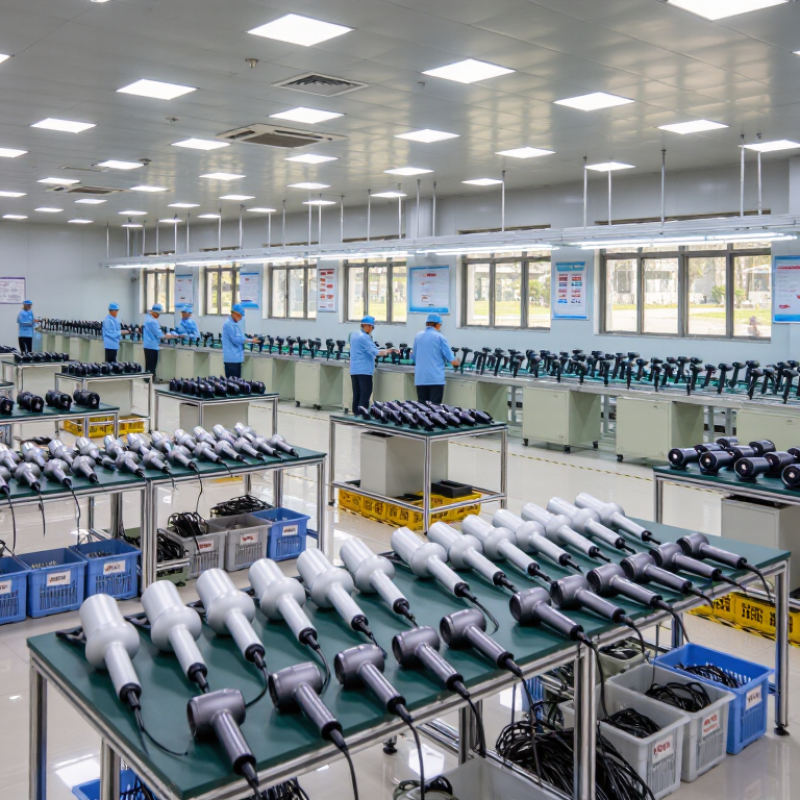
A factory visit or live video walkthrough can reveal practical details: labeled workstations, organized component storage, and finished dryers undergoing inspection. Request sample units and examine their weight, grip, controls, airflow, and noise in real use. Check whether the supplier can share relevant quality documents and explain what each document covers. Be cautious when a quotation is unusually low or production claims remain vague. Those are not automatic deal-breakers, but they deserve follow-up questions.
Experience also means checking the less visible parts of a partnership. Confirm who handles design changes, sample approval, production updates, and after-sales issues. Ask for realistic lead times, not just the fastest possible estimate. A small trial order may help you assess consistency before committing to larger volumes. Still, one good sample cannot prove every future batch will match. That is easy to overlook. Compare several suppliers using the same questions, keep written records, and look for evidence behind each claim. A careful process takes time, but it can prevent costly surprises and help you choose a factory that fits your product, budget, and working style.
Define Your Hair Dryer Specifications and Sourcing Requirements
Before contacting a hair dryer factory in China, turn your product idea into a written specification. State the target user, intended retail price, and expected order quantity. Define the voltage and plug type for each destination market. Specify motor type, wattage, airflow settings, heat levels, and whether a cool-shot button is required. Small details matter. Note the desired cord length, handle weight, noise range, and included attachments. A diffuser that looks compact in a drawing may feel bulky in the hand, so request clear dimensions and product photos.
Your sourcing brief should also cover packaging, logo placement, carton quantity, sample timing, and production lead time. Set priorities: which features are essential, and which can change to meet cost or production limits? Ask the factory to identify its assumptions rather than simply confirm every request. Then compare samples under consistent conditions, such as drying the same hair type with the same settings. Record heat consistency, airflow, grip comfort, and noise. Some measurements may be harder to define than expected; that is worth noting, not hiding. A detailed brief helps factories quote comparable products and makes gaps easier to spot before a bulk order.
Define Your Hair Dryer Specifications and Sourcing Requirements
Before contacting factories, identify the destination market and confirm the dryer’s rated voltage, frequency, plug type, and required compliance documents. The chart shows nominal household supply voltages to use as a starting point; confirm local requirements for your specific product and market.
Nominal supply voltage varies by market. A hair dryer designed for one voltage may not be suitable for another, so specify the intended market clearly when requesting a factory quotation.
Identify and Shortlist Hair Dryer Manufacturers in China
Begin with a shortlist built from several sources: trade directories, industry exhibitions, and referrals from importers. Treat online profiles as leads, not proof. Check whether each candidate operates its own production site or outsources assembly. Ask for the factory address, product range, and a recent production-line video. A polished showroom is not the same as a capable factory.
That matters. Compare manufacturers against the same questions: What hair dryer models do they make? Which motor types and voltage options can they support? How do they check temperature control, airflow, noise, and electrical performance? Request relevant test records and quality procedures, then confirm that the documents match the specific product and intended market. Vague answers are a useful reason to pause.
Request samples from two or three shortlisted factories. Compare weight, handle balance, cord flexibility, button feel, and heat consistency after repeated use. Ask how defects are recorded and handled during production, not just during final inspection. A live video call can help verify equipment and workflow, though it cannot replace an independent factory audit. A shortlist is a working draft, not a verdict; revise it when sample results or factory evidence do not match the sales pitch.
Verify Factory Credentials, Production Capacity, and Export Experience
A reliable hair dryer factory should be able to show more than a polished showroom. Check its business registration and confirm that the registered address matches the production site. Ask for proof. Review the factory’s quality procedures, equipment list, and recent inspection records. During a live video call or visit, look for working assembly lines, labeled component bins, and staff testing finished dryers. A site visit is only a snapshot, not a guarantee.
Production capacity needs practical questions. Ask how many units the factory completes each month, how many shifts it runs, and how output changes during peak season. Compare those figures with the number of assembly lines and testing stations you can see. Request a sample production schedule, not only a maximum-capacity claim. If the factory cannot explain how it handles a delayed motor or heating element, its timeline may be optimistic.
Export experience shows whether a supplier understands the details beyond manufacturing. Ask which markets it has served and request redacted shipping documents or references from recent buyers. Check whether it can prepare accurate packing lists, product specifications, and shipment records. Clear answers matter. A supplier may have years of export experience but still communicate poorly; test response times with specific questions. I would leave room for doubt until the sample, records, and delivery plan agree.
Assess Product Quality, Safety Compliance, and Customization Options
When evaluating a hair dryer factory in China, ask for test reports tied to the exact model, not a similar product. Check temperature control, airflow, insulation, cord strain relief, and abnormal-operation results. IEC 60335-2-23 covers safety requirements for appliances used for skin or hair care; confirm which editions and destination-market requirements apply. Paperwork matters. Match model numbers, components, and production dates across reports and samples.
The European Commission’s Safety Gate 2023 report recorded 3,412 product alerts across categories, a reminder that market surveillance depends on traceable product information. It does not mean hair dryers caused those alerts. Ask the factory how it controls incoming heating elements and motors, and how it handles failed inspections. Request recent audit records and inspect a production sample. A warm casing or loose nozzle can reveal issues that a polished showroom sample may hide.
Customization should be checked alongside safety. Ask whether the factory can document changes to plug type, voltage, motor, heating element, housing, packaging, or logo placement. Even a small component change may affect test results. Confirm who approves revisions and whether the final sample matches mass production. One limitation: a factory’s certificate alone cannot prove every batch is consistent. Set written acceptance criteria, such as airflow range, noise level, surface temperature, and carton drop-test results, before placing an order.
Compare Samples, Communication, Pricing, and Contract Terms
A reliable hair dryer factory should be judged by evidence, not a polished sales pitch. Request samples made with the components and finish planned for production. Test each unit at different heat and airflow settings, and note noise, weight, controls, and cord flexibility. Keep one sample as a reference. Small details matter.
Ask how the factory handles sample changes, production updates, and quality checks. Send a short list of questions and compare how clearly each supplier answers them. A useful reply explains who will respond, when updates arrive, and what happens if a test fails. Good communication is specific. I would not treat one smooth video call as proof; written follow-ups reveal more.
Compare itemized quotes, including tooling, packaging, sample fees, and shipping assumptions. A low unit price can hide extra costs. Ask what could change the final amount. Put sample approval, specifications, order quantity, production schedule, payment milestones, inspection criteria, and remedies for defects into the contract. Confirm that revisions are recorded, not just agreed to in chat. Read the cancellation and delay terms carefully. Easy to overlook.


