What Are the Top Types of Make Up Pouches?

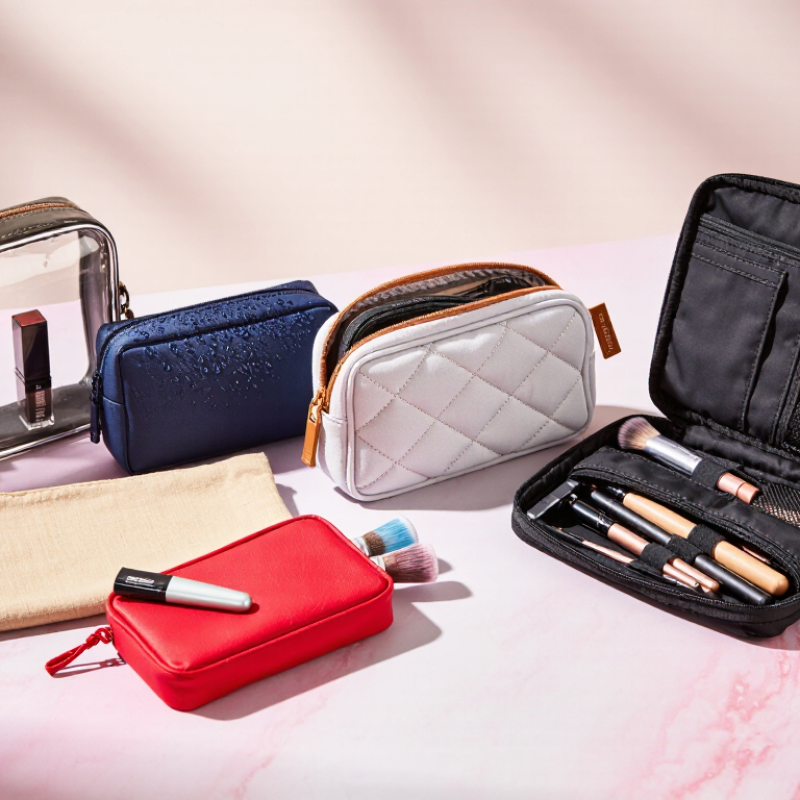
Choosing the right makeup organizer begins with a simple question: where, and how, will it be used? The top types of Make Up Pouches differ in material, structure, capacity, and daily convenience. A transparent pouch helps users locate lipstick quickly. A nylon pouch resists splashes during travel. Cotton and canvas styles feel softer and more personal. Quilted designs add protection for fragile compacts. Hanging pouches save space beside a hotel sink. Small zippered cases suit everyday essentials, while larger compartmentalized bags support professional kits.

Beauty packaging consultant and trend forecaster Lisa Payne has said, “Packaging is part of the product experience.” Her point applies directly to Make Up Pouches. A pouch is not only storage. It influences hygiene, portability, brand perception, and purchasing confidence. In practical use, a smooth lining can be easier to wipe clean than textured fabric. Strong zippers matter when a bag carries glass bottles. Interior pockets prevent brushes from touching creams and powders.

There is no perfect pouch. That matters. A clear PVC design may offer visibility, yet some users dislike its rigid feel. Natural fabric may look attractive, but it can absorb stains. “Convenience is personal.” This guide compares the leading pouch types through realistic use cases, construction quality, maintenance needs, and visual appeal. It also considers details that are often missed, such as seam strength, opening width, odor retention, and wasted interior space. These small choices can decide whether a pouch remains useful after the first few weeks.
What Are the Top Types of Make Up Pouches?

Defining Makeup Pouches by Structure: Zippered, Drawstring, Roll-Up, and Boxy

What Are the Top Types of Make Up Pouches?

Makeup pouches differ most clearly by structure. Zippered pouches offer reliable daily storage and quick access. A wide opening helps you see brushes, tubes, and small compacts. Look for smooth zipper movement and reinforced stitching near the corners. Thin lining can stain easily. I learned that the hard way.

Drawstring pouches feel softer and lighter. They work well for travel items, hair accessories, or products used together. Their flexible shape fits inside crowded luggage. However, loose contents may settle at the bottom. A firm cord and strong eyelets make repeated opening safer and easier. Cotton feels pleasant, but coated fabric usually handles spills better.

Roll-up pouches organize tools across separate sections. They suit brushes, pencils, and slim bottles that need quick visibility. Many designs include a flap or tie to hold everything closed.

Boxy pouches provide more room for bulky containers and stacked items. Their flat base can stand on a bathroom counter, which is genuinely convenient. Yet, the extra depth may hide small products underneath larger ones. Measuring your largest container before buying prevents wasted space. I still sometimes choose appearance over capacity, and that choice can be frustrating. For regular use, inspect seams, lining, closures, and cleaning instructions rather than judging the pouch by shape alone.

Comparing Materials: Fabric, Nylon, Silicone, Leather, and Recycled Plastic

What Are the Top Types of Make Up Pouches?

Material choice changes a make up pouch’s durability, feel, and environmental impact. A 2024 Mordor Intelligence estimate values the global cosmetics packaging market at approximately US$32.7 billion. That scale increases pressure for practical, lower-impact designs.

Fabric pouches feel soft and lightweight, making them useful for brushes and compact items. However, cotton can absorb foundation stains and dry slowly. Nylon resists water and abrasion better. Its smooth lining also wipes clean after a leaking cleanser. Yet, conventional nylon is fossil-fuel based and difficult to recycle.

Silicone offers a flexible, waterproof surface. It suits travelers carrying liquid products, although dust can cling to its slightly rubbery finish. Leather provides structure and a premium hand-feel, but it costs more and requires responsible sourcing.

Recycled plastic pouches can reduce demand for virgin material. The Ellen MacArthur Foundation reports that only about 9% of plastic has been recycled globally, showing how limited circular systems remain. Recycled content is helpful, but mixed zippers, coatings, and linings may still prevent recycling.

Look closely at the seams. Weak stitching ruins a pouch faster than a scratched surface. A transparent silicone section can also reveal spilled product immediately. Fabric is comfortable. Nylon is dependable. Silicone is easiest to clean. Leather ages visibly, sometimes beautifully, sometimes poorly. Recycled plastic needs better end-of-life planning.

My practical preference is a washable nylon or recycled-plastic body with a simple, removable lining, though no material solves every problem.

Ranking Daily-Use Pouches Within the Beauty Market’s Projected $590B by 2028

As the beauty market is projected to approach $590 billion by 2028, everyday make up pouches deserve closer attention. The most useful designs are not always the most fashionable. I rank them by accessibility, protection, capacity, cleaning, and repeated daily use.

Flat zip pouches rank highly for compact routines. They fit easily inside a handbag and hold lipstick, powder, and a small mirror. Their slim shape prevents unnecessary carrying. Box pouches come next because they offer more structure and room. A wide opening helps users find items without emptying everything onto a table. Transparent pouches are practical for travel and shared bathrooms. Their clear walls reveal spills early, although they can look untidy after several uses. Hanging pouches suit commuters and travelers. Multiple sections keep brushes away from creams, but the hanging hook may feel excessive for a short outing.

Washable fabric pouches are especially valuable for daily reliability. A smooth lining can be wiped after foundation leaks, while strong stitching supports frequent opening. Small details matter. In my experience, oversized compartments often encourage overpacking. I may also overvalue easy cleaning because I test products around busy routines. That is a limitation. Some users prefer soft, flexible storage over strict organization. Material safety, secure closures, and honest size measurements remain essential when comparing these pouch types within a rapidly expanding beauty market.

What Are the Top Types of Make Up Pouches?

Ranking daily-use pouch formats within the beauty market’s projected $590B value by 2028.

The Daily-Use Utility Index is an editorial score out of 100 based on portability, organization, capacity, product protection, and cleaning convenience. It ranks common pouch formats rather than representing company sales or market share.

Selecting Travel Pouches Under TSA’s 100-mL Liquid-Container Rule

What Are the Top Types of Make Up Pouches?

Choosing a makeup pouch for air travel requires more than checking its appearance. The right design should support TSA’s 100-mL liquid-container rule. At many U.S. security checkpoints, liquid, gel, cream, and aerosol products must stay in containers of 100 mL or less. They should fit inside one clear, resealable, quart-sized bag. Space disappears quickly.

A flat pouch works well for powder, brushes, solid lipstick, and other dry items. It slides easily into a carry-on pocket. A structured organizer offers separate sections for mascara, foundation, and small tools. However, bulky dividers may waste valuable space. A transparent pouch makes inspection easier, but it may not replace the required clear liquids bag. Use it carefully.

A hanging pouch can keep toiletries visible in a small hotel bathroom. For flights, though, it can become awkward when overfilled. I once packed a full-size cleanser because the pouch had extra room. It was a practical mistake. Now I decant liquid products into clearly labeled containers under 100 mL and check each cap before leaving. Small leaks can ruin brushes and documents.

Keep powders and solid products outside the liquids bag when appropriate. Place liquid items together, so security officers can see them quickly. Rules and enforcement can vary by airport, so check current guidance before departure. A pouch that looks organized may still fail if its containers are too large.

What Are the Top Types of Make Up Pouches? - Selecting Travel Pouches Under TSA’s 100-mL Liquid-Container Rule
Makeup Pouch Type Typical Size Best For Organization Features TSA Liquid Compatibility Key Advantages Potential Limitations
Clear Quart-Size Travel Pouch Approx. 20 × 18 × 5 cm Carry-on travel with liquid makeup, skincare, and toiletries Transparent body, zip closure, single open compartment Best match
Designed to hold containers of 100 mL or less within the usual one-quart bag limit
Fast security screening; contents are easy to see; lightweight and easy to clean Limited structure and organization; may not fit bulky palettes or brushes
Transparent Flat Zip Pouch Approx. 22 × 15 × 4 cm Minimal makeup kits and short trips One shallow compartment with a wide opening Suitable
Useful for small liquid, gel, cream, and aerosol containers that meet the 100-mL limit
Space-efficient; slides easily into a personal item or carry-on pocket Low capacity; products can overlap and become difficult to locate
Structured Train Case Approx. 25 × 18 × 12 cm Full makeup routines and longer journeys Rigid sides, internal dividers, elastic brush loops, mirror in some designs Separate liquids
Best used for solid makeup; liquid and cream items still need to meet the rule and may need a separate clear bag
Protects pressed powders and palettes; offers strong organization Heavier and bulkier; opaque construction can slow inspection
Hanging Toiletry Pouch Approx. 24 × 20 × 10 cm when closed Hotel stays and travelers who need countertop organization Multiple zip compartments, mesh pockets, and a hanging hook Check before packing
Remove liquid, gel, cream, and aerosol containers over 100 mL; place compliant liquids in the required clear bag
Excellent visibility and vertical storage; keeps products off wet counters Often exceeds the practical size of a security liquids bag when fully packed
Compartmentalized Cosmetic Organizer Approx. 23 × 16 × 9 cm Travelers carrying several product categories Adjustable dividers, brush slots, mesh sections, and small zip pockets Use with a separate liquids bag
Compartments do not exempt products from the 100-mL container requirement
Keeps palettes, brushes, and tools separated; reduces product movement Can become overfilled; dividers reduce usable space
Soft Folding Makeup Bag Approx. 22 × 14 × 8 cm Everyday makeup and flexible packing Soft-lined interior, one or two compartments, flexible walls Suitable with sorting
Pack compliant liquids separately so they can be removed easily for screening
Lightweight, compressible, and usually affordable; fits irregularly shaped items Less protection for fragile powders; contents may shift during transit
Brush Roll Approx. 24 × 10 cm when rolled Makeup brushes and slim applicators Individual brush sleeves and a tie or snap closure Not for liquids
Use as a companion to a compliant liquids pouch
Protects brush heads; keeps tools clean and easy to identify Does not store palettes, bottles, or larger cosmetics efficiently
Double-Sided Cosmetic Case Approx. 23 × 17 × 10 cm Separating makeup from skincare or tools Two zippered sections, often with mesh or clear panels Separate liquids as needed
Each liquid container must be 100 mL or less; the pouch itself is not a substitute for the required clear bag
Separates clean and used items; provides more capacity without a very deep case Can be bulky when both sides are full; opaque sections may require unpacking
Practical TSA packing note: For flights departing from the United States, carry-on liquids, gels, aerosols, creams, and pastes should generally be packed in containers of 3.4 fluid ounces (100 mL) or less and placed in one clear, resealable quart-size bag per passenger. A pouch’s dimensions do not override the container-size requirement. Always check the current rules for the airport and destination.

Assessing Sustainability as Packaging Accounts for About 40% of Plastic Use

What Are the Top Types of Make Up Pouches?

Makeup pouches range from flat cosmetic bags to structured travel cases. Flat pouches use less material and pack efficiently in drawers. Stand-up pouches offer better visibility but often need thicker panels and extra support. Drawstring bags feel reusable and flexible. Roll-up organizers separate brushes, bottles, and palettes with less searching.

Sustainability changes how these formats should be judged. The OECD’s Global Plastics Outlook reports that packaging creates about 40% of global plastic waste. This figure concerns waste, not total plastic use, but it shows packaging’s heavy impact. UNEP’s Turning off the Tap report identifies packaging as the largest plastic-producing sector. Material choice matters. A mono-material pouch can simplify recycling where collection systems exist. Recycled polyester may reduce demand for virgin plastic, according to life-cycle findings from the European Environment Agency. Yet recycled content is not automatically sustainable. It can shed fibers, require energy, and still become landfill waste.

In practical testing, a durable pouch may outperform a thin “eco” pouch used once. Reusability depends on stitching, zippers, washable linings, and daily habits. A small pouch with fewer compartments can reduce material use, although it may be less convenient. That trade-off deserves honesty. Sustainability claims should include material percentages, weight, expected uses, and disposal guidance. Vague labels are not enough. Supplier data and third-party life-cycle assessments improve credibility, but results still vary by region, transport, and end-of-life access.

Back to top