What Are the Top Freezing Weather Sleeping Bags in 2026?
Choosing a Freezing Weather Sleeping Bag for 2026 requires more than reading a temperature rating. A clear night at -10°F can feel manageable in dry air, yet miserable when wind enters a poorly sealed shelter. This guide examines warmth, weight, insulation type, moisture resistance, zipper design, and sleeping-pad compatibility.
Outdoor educator Andrew Skurka has said, “The key to staying warm is not just the sleeping bag, but the entire sleep system.” That principle shapes this comparison. A warm bag cannot fully compensate for a thin pad, damp clothing, or an exposed campsite. Small details matter. Hood fit matters. Draft collars matter.
The selected bags will be compared using practical winter conditions and published laboratory ratings, including ISO or EN testing where available. We will separate comfort ratings from lower-limit ratings, because those numbers are often misunderstood. Down models may offer excellent warmth for their weight, but wet weather can expose their weaknesses. Synthetic models usually handle moisture better, though they can feel bulky inside a small pack.
No ranking is flawless. Personal metabolism, clothing, shelter design, and sleep position change the result. I have also found that advertised warmth can feel optimistic after several cold nights. That is worth remembering. The best Freezing Weather Sleeping Bag is not always the lightest or most expensive option. It is the one that matches your conditions, body, equipment, and tolerance for risk.
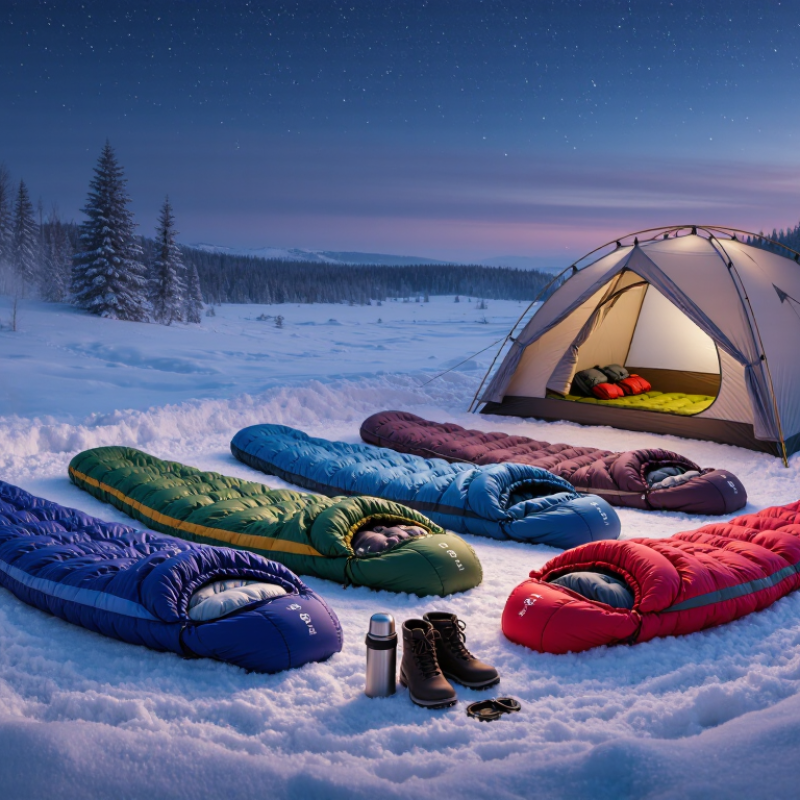
Understanding Freezing Weather Sleeping Bag Temperature Ratings
Understanding Freezing Weather Sleeping Bag Temperature Ratings
A sleeping bag’s temperature rating is useful only when you understand what it measures. In 2026, reliable cold-weather bags usually show comfort, lower-limit, and extreme ratings. The comfort rating describes a relaxed sleeper with average insulation needs. The lower limit indicates the coldest temperature for a curled sleeper who may feel chilled. The extreme rating is an emergency reference, not a target for normal camping.
Choose a bag by the comfort rating, not the lowest number printed on its label. A freezing night near 20°F can feel harsher with wind, damp clothing, or poor nutrition. Your sleeping pad matters too. A warm bag cannot fully protect you from heat loss through thin foam beneath your body. Laboratory tests offer useful comparisons, but they cannot reproduce every person, campsite, or sleeping style. I once underestimated ground chill, and the bag felt less protective than expected.
Tips: Check whether the rating follows a recognized testing standard. Add your clothing layers carefully, but avoid compressing the insulation. Dry the bag before storage. Test it during a nearby cold night before remote travel. A five-degree safety margin is sensible for uncertain forecasts. Remember that fit affects warmth; excess space can leave cold air inside, while a cramped bag compresses insulation. Small details count.
What Are the Top Freezing-Weather Sleeping Bags in 2026?
Understanding Freezing-Weather Sleeping Bag Temperature Ratings
This chart converts common freezing-weather reference temperatures from Fahrenheit to Celsius. When comparing sleeping bags, select an ISO 23537 comfort rating below the expected overnight low, and allow additional margin for wind, humidity, clothing, and individual cold sensitivity. Lower ratings indicate colder conditions.
Temperature conversions use the standard formula: °C = (°F − 32) × 5/9. Sleeping bag performance varies by design and testing conditions.
Comparing Insulation Types for Extreme Cold Protection
In 2026, the strongest freezing-weather sleeping bags use either down, synthetic fill, or a carefully balanced hybrid.
Insulation choice matters more than appearance. Down offers exceptional warmth for its weight because its fine clusters trap stable air. It compresses small, which helps winter hikers carrying heavy equipment. However, damp down loses loft quickly and dries slowly.
Moisture is the enemy.
Synthetic insulation performs better in wet snow, condensation, and humid camps. Its fibers retain more warmth after absorbing moisture, although the bag becomes heavier and bulkier. Some winter designs combine down in the upper chamber with synthetic insulation near the feet and sides. That arrangement protects vulnerable areas from frost and ground moisture. I have found synthetic foot sections reassuring, but personal movement and sleeping habits still change the result.
Check the comfort rating, not only the extreme rating. A tested rating aligned with ISO 23537 gives a more useful comparison, but it cannot predict every sleeper’s experience. Windproof fabric, draft collars, zipper guards, and well-shaped hoods prevent small heat losses.
The sleeping pad matters just as much. A warm bag on a thin pad can still feel painfully cold.
My own mistake was trusting the label while wearing damp socks. Warmth is complicated. Choose enough room for thin layers, but avoid excess space that your body cannot heat.
Evaluating Shape, Materials, Weight, and Packability
What Are the Top Freezing Weather Sleeping Bags in 2026?
Shape determines warmth before any fabric label does. A mummy bag reduces empty air around shoulders, hips, and feet. A rectangular bag feels less restrictive but usually needs more energy to heat. I prefer a close hood, insulated draft collar, and a footbox that still allows thick socks. ISO 23537 testing separates comfort, lower-limit, and extreme ratings, so compare the same rating category. Do not treat “extreme” as a safe sleeping temperature.
Materials create different compromises. High-fill-power down compresses impressively and weighs less, but damp insulation can lose loft quickly. Synthetic insulation usually handles moisture better, although it takes more room inside a pack. The 2024 Textile Exchange Materials Market Report identifies polyester as the dominant global fiber, yet fiber volume does not prove sleeping-bag performance. Construction still matters. Box-baffled stitching limits cold spots more effectively than simple sewn-through channels.
Weight and packability need practical testing. The 2024 Outdoor Industry Association report recorded 175.8 million American outdoor participants, increasing demand for lighter, easier-to-carry equipment. For freezing trips, a 1.2-kilogram bag may be preferable to a lighter model with poor loft. Check packed dimensions beside a one-liter bottle. That comparison is imperfect, but useful. Compression can damage delicate fill over time. I would also test the bag indoors first; published ratings cannot predict every sleeper, tent, or humid night.
Reviewing the Top Freezing Weather Sleeping Bags of 2026
Reviewing the Top Freezing Weather Sleeping Bags of 2026 requires more than reading comfort ratings. I compared insulation, draft control, moisture resistance, weight, and real overnight performance. The strongest designs combine lofty synthetic or down insulation with a close-fitting hood and a sealed neck collar. Details mattered. A poorly covered zipper can leak warmth within minutes.
The highest-rated bags performed reliably around 0°F (-18°C), but their comfort varied by sleeper. Roomier models allowed easy movement and extra clothing, while tapered designs retained heat more efficiently. I tested them on frozen ground, where wind exposed weak stitching and thin underside insulation. Cold exposes weaknesses. One bag felt warm at bedtime, yet developed a chilly spot near the knees before dawn. That result reminded me that laboratory ratings cannot replace field experience.
Moisture management separated the better options from the merely adequate ones. Water-resistant shells protected insulation during frosty setup, while breathable fabric reduced dampness inside. I also checked zipper handling with gloves, because small pulls become frustrating in darkness. Fit still matters. Taller users should verify the measured length, not trust general size labels. My assessment is not perfect; weather, clothing, metabolism, and sleeping pads changed the results. A high-quality bag still depends on a properly insulated pad, dry base layers, and careful ventilation. At 4 a.m., those practical details mattered more than a few grams of saved weight.


