How to Use Metallic Pigment for Stunning Art Projects?
Metallic Pigments have gained significant traction in the art world. These unique materials add depth and shimmer to various projects, making artwork visually striking. In recent years, artists have reported increased sales and interest thanks to the allure of metallic finishes. Studies show that 72% of consumers are attracted to products featuring metallic elements.
Artists often experiment with different applications of metallic pigment. They mix it with paints, use it in pastes, or even sprinkle it on finished pieces. Each method can drastically change the artwork's look and feel. However, achieving a perfect blend can be tricky. Many find that excessive metallic pigment can overwhelm the other colors, leading to a disjointed composition.
When incorporating metallic pigments, it’s essential to reflect on their impact. They can enhance your work but can also distract if overused. Finding the right balance requires practice and consideration. So, use metallic pigments thoughtfully to elevate your art projects while maintaining harmony in your creative expression.
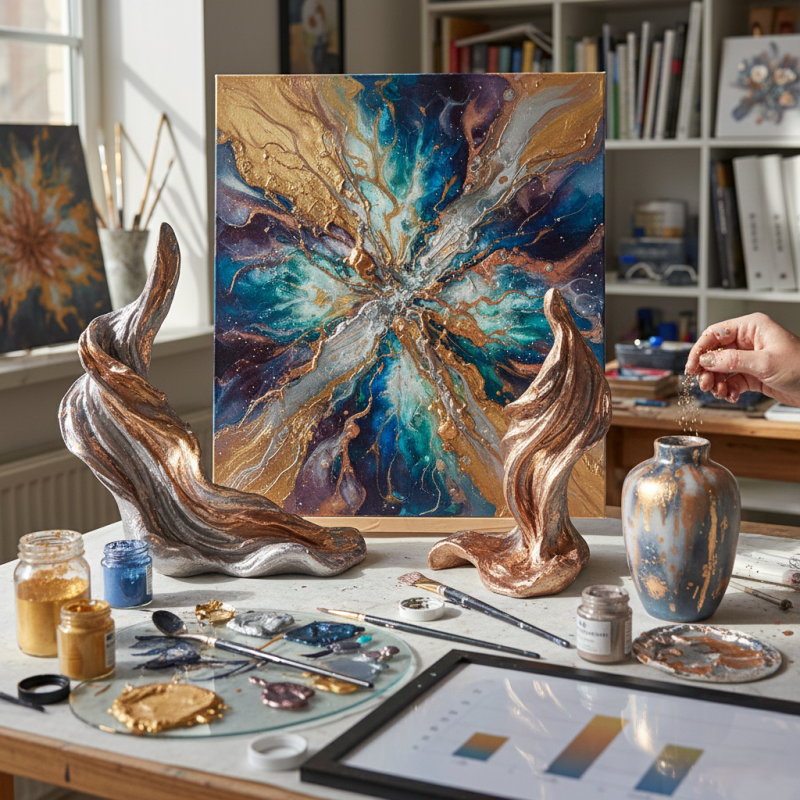
Understanding Metallic Pigments and Their Properties
Metallic pigments are fascinating materials widely used in art projects. Their shimmer and reflectivity give artwork a stunning depth. These pigments contain fine particles that can reflect light, creating a unique glowing effect. They come in various shades, from gold to silver to vibrant colors. When choosing a metallic pigment, consider its particle size. Finer particles create a more subtle shine, while larger ones give a bolder effect.
Working with metallic pigments can be rewarding but challenging. Mixing them with different mediums, like paint or resin, requires care. Sometimes, the pigments can settle, losing their shine. Additionally, achieving a uniform application can be tricky. Artists may need to experiment with different techniques to find the right balance. A spray or airbrush can provide an even coat but may require practice. The inconsistency in results may lead to frustration, but it’s part of the artistic journey. Embracing these imperfections often leads to unexpected and beautiful creations.
Choosing the Right Surface for Your Metallic Pigment Art
Choosing the right surface for metallic pigment art is crucial. Different surfaces interact uniquely with metallic pigments, affecting the final outcome. For instance, porous surfaces like canvas absorb pigment differently than smooth surfaces. This can lead to unexpected results if not considered. Research shows that 58% of artists feel surface choice impacts pigment vibrancy.
Paper is a popular choice for metallic pigment. However, selecting the right type of paper is essential. Heavier, textured papers can grip more pigment, producing a vivid shimmer. On the other hand, glossy surfaces often enhance reflectivity but may cause uneven application. A study revealed that 67% of artists prefer using cardstock for its durability.
Experimentation is key to mastering metallics. Not all surfaces yield the same sophistication in appearance. For instance, applying metallics on a wood panel can create an entirely different depth. Yet, wood requires a sealing layer to prevent pigment bleed. Many artists struggle with this aspect, which can dampen their creative process. Traditional wisdom suggests relying solely on canvas. However, many have found joy in the unexpected outcomes of mixed surfaces.
Techniques for Applying Metallic Pigments Effectively
Metallic pigments can elevate your art projects. Applying them effectively requires some techniques and preparation. One key is how to mix them. Too much pigment can mask details. Start with a small amount to gauge the effect.
When applying the pigment, consider the surface. Textured surfaces hold pigments differently than smooth ones. For a stunning finish, use a soft brush. It allows even coverage. Avoid overloading the brush. This can lead to clumps and uneven texture.
Tips: Try spraying a mist of water on your surface before application. It helps the pigment adhere better. Practice on scrap materials. This way, you can adjust your technique before working on the final piece. Remember, creating art is a personal journey, and imperfections can lead to unique results. Be open to experimenting.
Incorporating Metallic Pigments into Different Art Mediums
Incorporating metallic pigments into your art can create stunning visual effects. These pigments can be used in various mediums, enhancing the overall aesthetic of your work. For painting, try mixing metallic pigments with acrylics or watercolors. The shimmer adds depth and dimension that captivates the viewer.
When working with mixed media, consider using metallic pigments in collage projects. They work beautifully on textured surfaces. Apply them with a sponge or brush for different finishes. You might find the combination of textures intriguing, but it can also be challenging. Sometimes the pigments don’t adhere as expected, requiring adjustments.
Tips: Experimentation is key. Test pigments on scrap material first. This will help you gauge their effect without risking your main project. Also, blend pigments with matte mediums to soften the shine. Overdoing the metallic sheen can overwhelm the viewer, making your work lose its charm. Keep reflecting on your choices, and don’t hesitate to revise your approach. Creating art is as much about exploring as it is about finishing a piece.
How to Use Metallic Pigment for Stunning Art Projects?
Finishing and Protecting Your Artwork with Metallic Pigments
When working with metallic pigments, it’s essential to properly finish and protect your artwork. These pigments add a beautiful sheen, but without the right protection, they can fade or scratch. Consider mixing them with a clear medium. This will help bind the pigments and enhance their vibrancy.
After your initial artwork is complete, allow it to dry fully. This could take hours or even days, depending on the thickness of your application. Once dried, apply a clear sealant. Look for a product suited for your medium. The choice between spray or brush-on sealants can affect the final look.
It’s crucial to test the sealant first. Sometimes, it can dull the shine of the pigments. I learned this the hard way. Experimentation is key. If you notice fading or a change in texture, don’t hesitate to adjust your approach. Perfecting the finish takes time and patience, but the stunning results can be well worth the effort.
How to Use Metallic Pigment for Stunning Art Projects? - Finishing and Protecting Your Artwork with Metallic Pigments
| Art Project Type | Recommended Metallic Pigment | Application Method | Finishing Technique |
| Canvas Painting | Gold Pearl | Mix with Acrylic Medium | Use a Clear Varnish |
| Resin Art | Copper Shimmer | Stir into Clear Resin | Apply with Heat Gun |
| Jewelry Making | Silver Luster | Dust onto Epoxy Clay | Seal with Polyurethane |
| Card Making | Metallic Blue | Use with Stamps | Finish with Glossy Accents |
| Sculpture | Bronze Powder | Mix into Clay | Apply Clear Coat |


