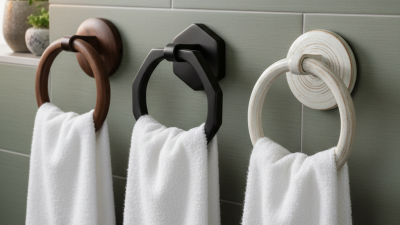
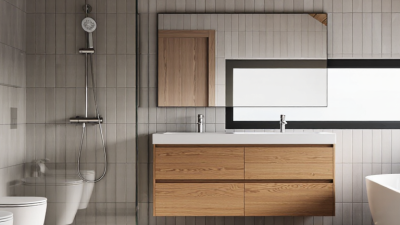
For global buyers, Bathroom Ware is more than a collection of toilets, basins, showers, and fittings. It shapes daily comfort, water use, installation costs, and the visual character of a property. Richard Grohe, former vice chairman of Hansgrohe, described the bathroom as “a place of wellbeing.” That idea remains important. A well-designed basin should feel comfortable under the hands. A shower valve should respond smoothly, even after years of use. A toilet should flush efficiently without creating unnecessary noise or maintenance problems.
Bathroom Ware attracts international buyers because it combines practical value with design flexibility. Ceramic products can suit apartments, hotels, offices, and residential developments. Modern taps and showers may support water-saving goals, while durable finishes reduce replacement pressure. However, product quality cannot be judged by photographs alone. Buyers need to check dimensions, material specifications, cartridge performance, spare-part availability, packaging, and installation requirements. Regional plumbing standards also differ. A fitting that works perfectly in one market may require an adapter elsewhere.
Small details matter.
Reliable suppliers usually provide test documentation, clear technical drawings, consistent quality control, and responsive after-sales support. These signals help buyers assess credibility before placing an order. Still, the industry is not flawless. Marketing claims can sound stronger than real performance, and low prices may hide weaker components. Careful comparison is necessary. Choosing Bathroom Ware, therefore, means balancing appearance, durability, water responsibility, compliance, and long-term service. The best decision is not always the most fashionable one. It is the one that performs quietly, safely, and reliably in real bathrooms.
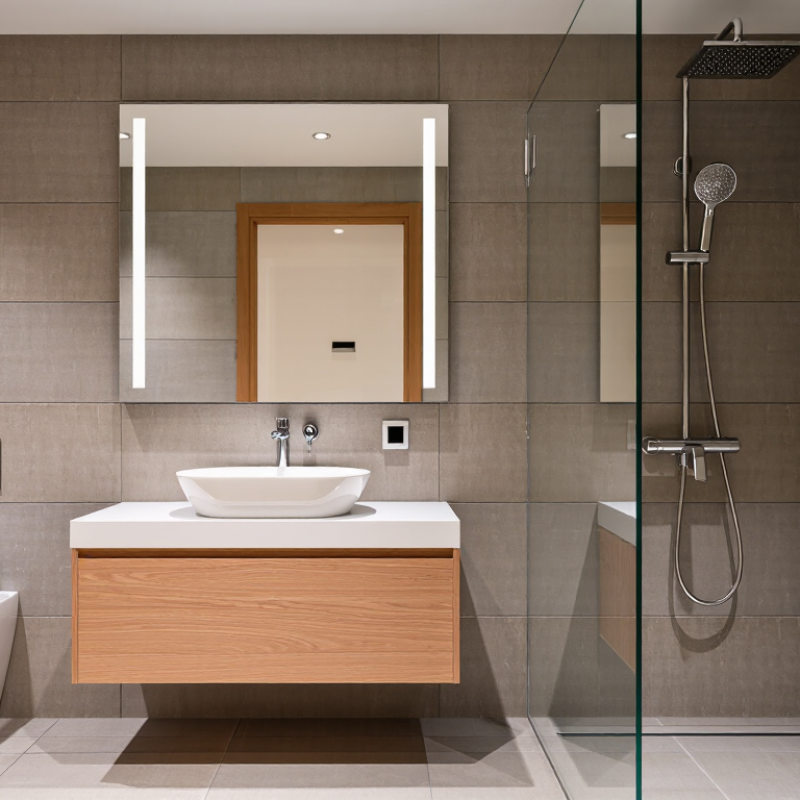
For global buyers, bathroom ware means the complete range of products used in private and commercial bathrooms. It covers sanitary ware, faucets, showers, bathtubs, bathroom furniture, mirrors, drains, and accessories. Smart controls and water-saving devices now belong to this scope too. Not merely decoration. A ceramic toilet, stainless-steel drain, and brass faucet serve different technical purposes. Their materials, installation methods, and maintenance needs vary across markets.
In real procurement, buyers assess more than appearance and price. They check dimensions, water pressure performance, surface durability, replacement parts, and packaging strength. A faucet may look polished but fail after repeated use. Local plumbing rules and water-efficiency requirements also influence product selection. Independent test reports, factory quality records, and clear installation instructions improve purchasing confidence. Small details matter. One missing adapter can delay an entire hotel project.
The category also includes products designed for different spaces and users. Compact basins suit apartments, while heavy-duty fittings support hospitals and public facilities. Touchless systems can reduce contact, but they require reliable power and maintenance access. Sustainable materials may reduce waste, although their real environmental value depends on production and transport. Product descriptions sometimes hide these complications. I have found that even experienced buyers need samples, drawings, and verified measurements before placing large orders. That uncertainty matters. Reliable documentation should match the destination market, not merely the supplier’s catalogue.
International demand for bathroom ware is rising with urban housing, renovation, and hospitality construction. Mordor Intelligence estimates the global bathroom fixtures market could grow from about USD 88 billion in 2024 to over USD 120 billion by 2029. That growth reflects practical needs, not only interior fashion. Buyers want durable toilets, water-saving taps, and storage that fits smaller rooms.
Water efficiency is becoming a decisive purchasing factor. The United Nations reports that billions of people still lack safely managed sanitation services. In developed markets, meanwhile, households are replacing older fixtures to reduce water and energy use.
Products with clear flow-rate data, reliable ceramic quality, and easy-to-replace parts can therefore travel across markets more successfully. Small details matter. A loose hinge can damage trust.
Design also influences international demand. The 2024 U.S. Houzz Bathroom Trends Study found that many renovated bathrooms now include upgraded storage, improved lighting, and larger showers.
These preferences suggest wider expectations for comfort and accessibility. Still, market forecasts are not promises.
Shipping costs, installation standards, local water pressure, and cultural habits can quickly change a buyer’s decision. Some exporters focus too heavily on appearance. That is a mistake worth revisiting.
A polished finish cannot compensate for difficult installation or uncertain after-sales support. Reliable specifications, tested performance, and transparent documentation remain stronger advantages for global bathroom ware buyers.
Global buyers choose bathroom ware by looking beyond appearance. In procurement reviews, experienced teams check ceramic density, glaze consistency, rim geometry, cartridge performance, and installation tolerances. A clean showroom sample is not enough. Ask for batch records and independent test reports.
Water efficiency also needs measurable proof. The U.S. Environmental Protection Agency’s WaterSense specification requires labeled plumbing products to use at least 20% less water than standard models, while maintaining performance. This matters in hotels, housing projects, and water-stressed regions.
The WHO and UNICEF Joint Monitoring Programme reported that 3.5 billion people lacked safely managed sanitation in 2022. Product reliability therefore has a public-health dimension.
Safety depends on documented standards. Toilets, basins, taps, and fittings should match the destination market’s applicable requirements, such as EN, ISO, ASME, or CSA standards. Buyers should verify pressure resistance, backflow protection, material safety, slip performance, and spare-part availability. Test certificates must match the exact model, not merely a similar product. That detail is often missed.
Small defects become expensive. A poorly aligned seal can create hidden leakage behind a finished wall. A weak hinge may fail after repeated use. We should also admit that laboratory results cannot predict every installation condition. Site water pressure, maintenance habits, and installer skill still matter. Quality is practical, traceable, and tested under realistic use.
Global buyers should price bathroom ware beyond factory quotations. A low unit price can hide molds, inspection, packaging, inland haulage, duties, and breakage claims. The World Bank’s 2023 Logistics Performance Index evaluates customs, infrastructure, shipments, logistics competence, tracking, and timeliness. These variables directly affect landed cost. Ask suppliers for a component-level quotation. Include carton dimensions, gross weight, pallet count, and replacement terms. Small omissions become expensive at the destination.
Sea freight remains central. UNCTAD’s Review of Maritime Transport 2024 states that over 80% of world merchandise trade by volume moves by sea. Ceramic toilets and basins consume cubic space before they consume container weight. Use drop tests, corner protection, moisture barriers, and photo records at loading. Yet packaging is not automatically efficient. Extra foam may reduce damage but increase disposal volume and freight space. This trade-off deserves testing.
Resilient sourcing needs evidence, not polished claims. Review production capacity, quality records, batch traceability, lead-time history, and backup component sources. The International Trade Centre’s Trade Map helps buyers compare trade flows and supplier-country patterns. Compare three shipping lanes, not one. Keep modest safety stock for slow-moving finishes, while avoiding excess inventory. My practical mistake was treating forecast demand as a promise. It was not. A pilot order, pre-shipment inspection, and agreed defect limits reveal more than a video call. Review results quarterly, because costs and transit reliability change.
Cost, logistics, and supply-chain planning are key factors when sourcing bathroom ware internationally. The chart shows a representative landed-cost structure for imported bathroom products, helping buyers evaluate the full purchase cost beyond the factory price.
Indicative benchmark for international containerized shipments. Actual percentages vary by product material, order volume, destination country, trade terms, tariff classification, freight rates, and local taxes.
Why Choose Bathroom Ware for Global Buyers?
Global buyers increasingly assess bathroom ware beyond appearance. Sanitaryware, faucets, and shower systems affect daily water demand, maintenance, and indoor comfort. The WHO/UNICEF Joint Monitoring Programme’s 2023 report estimated that 3.5 billion people lacked safely managed sanitation in 2022. This gap makes durable, resource-efficient products more than a design preference. It makes them part of responsible procurement.
UNEP’s 2023 Global Status Report links buildings to 34% of global energy demand. It also attributes 37% of energy-related emissions to the sector. Bathroom choices cannot solve this alone. Yet thermostatic controls, verified low-flow fittings, leak detection, and durable ceramic surfaces can reduce waste. U.S. EPA criteria for high-efficiency plumbing products target at least 20% lower water use while maintaining performance. Innovation matters when it survives daily use, not just showroom demonstrations. Long-term value also depends on replaceable cartridges, accessible parts, and realistic warranty support. This is often overlooked.
Tips: Compare total cost, not purchase price. Request flow-rate tests, material declarations, installation instructions, and spare-part availability. Check compatibility with local water pressure and maintenance skills. A low-flow fitting may disappoint when pressure is unstable. No product is perfect. That limitation deserves honest specification.
| Bathroom Ware Category | Sustainability Benchmark | Innovation Feature | Long-Term Value for Buyers | Relevant Global Consideration |
|---|---|---|---|---|
| Dual-Flush Toilets | Common efficient configurations use approximately 3/6 litres per flush, depending on the selected mode. | Separate reduced-volume and full-volume flush buttons help match water use to actual requirements. | Lower water consumption can reduce utility costs throughout the product service life. | Flush-volume requirements vary by country, building code, and plumbing infrastructure. |
| High-Efficiency Toilets | The U.S. WaterSense benchmark for tank-type toilets is no more than 1.28 gallons per flush, approximately 4.8 litres. | Hydraulic bowl design and optimized trapways support effective flushing with less water. | Efficient performance may provide measurable savings in high-occupancy residential and commercial projects. | Confirm local approval requirements before importing or specifying products. |
| Water-Efficient Faucets | A widely used efficiency benchmark is 1.5 gallons per minute, approximately 5.7 litres per minute, for bathroom faucets. | Aerators mix air with water to maintain a comfortable stream while reducing flow. | Lower flow can reduce both water demand and the energy required to heat water. | Flow-rate limits and connection standards differ across international markets. |
| Efficient Showerheads | A common U.S. efficiency benchmark is 2.0 gallons per minute, approximately 7.6 litres per minute. | Pressure-compensating regulators and spray-pattern engineering help maintain performance at lower flow. | Reduced hot-water use may lower household energy consumption as well as water bills. | Actual performance depends on incoming water pressure and the building’s plumbing system. |
| Ceramic Sanitary Ware | Vitreous china and porcelain sanitary ware are durable, non-porous materials that generally require no protective repainting during normal use. | Glazed surfaces improve stain resistance and simplify routine cleaning. | Long service life and relatively low maintenance can reduce replacement and upkeep costs. | Packaging design and careful handling are important because ceramic products are rigid and breakable during transport. |
| Stainless-Steel Bathroom Fixtures | Stainless steel is corrosion-resistant and can be recycled at the end of its useful life. | Precision forming and brushed or polished finishes provide functional durability with a modern appearance. | Resistance to rust and impact can reduce premature replacement in humid environments. | Material grade, surface finish, and exposure to chlorides should be checked for coastal or high-humidity locations. |
| Thermostatic Shower Systems | Stable temperature control can help reduce water wasted while users wait for a comfortable temperature. | Thermostatic valves automatically adjust the hot and cold water mix and can include anti-scald protection. | Improved temperature stability supports comfort, safety, and consistent user experience. | Correct installation, compatible water pressure, and regular cartridge maintenance are essential. |
| Sensor-Activated Faucets | Automatic shut-off helps prevent water from running when the basin is not in use. | Infrared sensors operate the faucet without direct handle contact. | Useful for public and commercial facilities where hygiene, controlled consumption, and reduced misuse are priorities. | Power options, battery replacement, sensor settings, and local electrical requirements should be evaluated. |
| Modular Bathroom Components | Replaceable cartridges, seals, aerators, and other service parts can extend product usability and reduce material waste. | Modular construction allows individual components to be repaired or replaced instead of discarding the complete fixture. | Easier servicing can reduce downtime, maintenance labour, and total ownership cost. | Buyers should request spare-parts availability, technical drawings, and maintenance instructions. |
Note: Performance figures are commonly used regulatory or industry benchmarks. Actual water savings, durability, and operating costs depend on product configuration, installation quality, local water pressure, usage patterns, and regional standards.
For an immediate response, please call this
number 45038523
Price: